Understanding Liability and Legal Rights
Construction sites are fast-paced and unpredictable, and accidents can happen in a split second. Injuries in these environments often raise complex questions about responsibility and legal rights. Knowing what to expect and understanding your options can make a big difference when dealing with the aftermath of a workplace accident.
Employer's Duty of Care
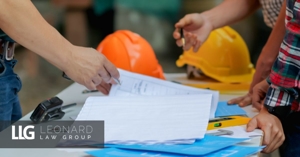
Employers have a legal responsibility to keep workers safe. This means providing proper safety gear, like hard hats and other PPE, and enforcing clear safety protocols. OSHA regulations set the standards for protective equipment, ensuring workers are shielded from hazards like falling objects, electrical shocks, and chemical exposure. When these rules aren’t followed, the risks to workers increase—and so do the legal consequences for employers.
Personal Accountability in Safety Protocols
Workers also play a crucial role in staying safe. Wearing safety gear correctly and following protocols helps reduce the risk of injury. Failing to do so can complicate legal claims or workers’ compensation benefits, as non-compliance can be seen as contributory negligence. Understanding your responsibility on site is key to protecting both your safety and your rights.
Identifying Fault in Construction Accidents
Accidents often involve multiple parties. Employers, subcontractors, and equipment manufacturers might all share some liability, depending on the circumstances. Identifying who is at fault requires a thorough investigation, which can directly affect workers’ compensation claims or personal injury lawsuits. Third-party negligence can open additional avenues for compensation beyond workers’ compensation benefits.
Legal Options for Recovering Damages
Filing a Workers' Compensation Claim
Workers’ compensation is usually the first step after a construction injury. It provides medical benefits and wage replacement without the need to prove fault. Still, claims can be scrutinized—especially if protective gear was not used or if compliance with safety protocols is in question. Documenting injuries and treatments carefully can help strengthen a claim.
Pursuing a Personal Injury Lawsuit
In some cases, pursuing a personal injury claim may be necessary. These claims can cover damages beyond workers’ compensation, including pain and suffering or long-term disability. Proving negligence—such as defective equipment or third-party oversight—is essential, which is why legal guidance is often crucial for navigating these cases.
Role of Insurance in Construction Accidents
Insurance can be a critical safety net after an accident. Policies like workers’ compensation, general liability, and equipment coverage can help cover medical expenses and lost income. Knowing how to file claims, document incidents, and communicate with insurers is vital for maximizing benefits. Legal professionals can guide you through this process to ensure fair compensation.
Gathering Evidence to Support Your Case
Importance of Immediate Accident Documentation
Collecting evidence right after an accident is essential. Take photos or videos of the site, equipment, and injuries. Gather witness statements and medical records promptly. Strong documentation supports both insurance claims and legal actions, making it easier to establish what happened.
Securing Expert Testimonies
Experts can clarify whether safety protocols were followed or if equipment was defective. Their insights provide an unbiased perspective that strengthens claims, especially in complex cases involving multiple parties.
Preserving Physical Evidence from the Site
Keep physical evidence intact, including safety gear and maintenance records. If possible, secure surveillance footage from the site. Preserving evidence ensures it remains admissible and supports your legal case.
Engaging Legal Professionals
Choosing the Right Attorney for Construction Accidents
Finding the right attorney is crucial. Look for someone experienced in construction law with a track record of favorable outcomes. Ask about their approach to third-party liability, negotiation strategies, and case management. The right legal guidance can make a significant difference in the outcome of your case.
Understanding Legal Fees and Representation Costs
Legal fees can vary. Many personal injury attorneys work on a contingency basis, taking a percentage of the settlement instead of upfront fees. Others may offer flat or hourly rates. Understanding costs and payment options helps you make informed decisions about representation.
The Role of Mediation and Negotiation in Settlements
Mediation and negotiation can resolve disputes without lengthy court battles. Skilled attorneys use these strategies to secure fair settlements while preserving professional relationships. This approach often saves time and expenses while addressing the full scope of compensation needs.
Maximizing Recovery Beyond Legal Means
Physical and Mental Health Recovery Support
Recovering from a construction injury involves more than legal claims. Physical therapy, occupational therapy, and counseling can aid both physical and mental recovery. Addressing the emotional impact of accidents is just as important as treating injuries.
Exploring Vocational Rehabilitation Services
Vocational rehabilitation helps injured workers re-enter the workforce or transition to new roles. Training and job placement assistance build confidence and support long-term financial independence.
Community Support and Advocacy Groups
Support networks and advocacy groups offer guidance, financial assistance, and rehabilitation resources. They also campaign for safer workplace standards, helping injured workers contribute to broader safety improvements.
Conclusion: Protect Your Rights and Recovery
If you’re facing the aftermath of a construction site injury in Chicago, IL, Leonard Law Group can guide you through workers’ compensation and personal injury claims.
Call (312) 487-2513 to protect your rights and explore your options for a full recovery, both legally and physically.