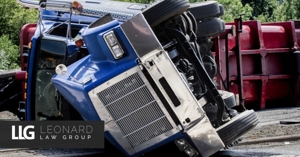
Understanding Liability in Truck Accidents
Truck accidents can be overwhelming, not just physically but also legally. Figuring out who’s responsible for damages isn’t always straightforward, and knowing your rights early can make a difference in protecting yourself and pursuing fair compensation.
Exploring the Concept of Liability
Liability is about who is legally responsible for compensating damages, which is different from fault, or who caused the accident. In truck accidents, determining liability often involves reviewing traffic laws, eyewitness accounts, and vehicle maintenance records. Understanding how liability is established can help victims approach the legal process with clarity and confidence.
Statistical Data on Truck Accidents
Truck accidents can be devastating due to the size and weight of commercial vehicles. Large truck collisions contribute to a significant number of fatalities and serious injuries each year. Common causes include driver fatigue, mechanical failures, and challenging road conditions. Knowing the statistics highlights the risks and underscores the importance of accountability.
Beyond the Truck Driver: Other Potentially Liable Parties
Trucking Company Liability
Trucking companies can be responsible if they hire inadequately trained drivers, fail to enforce safety rules, or neglect vehicle maintenance. Pressuring drivers to exceed speed limits or hours-of-service regulations can also increase company liability. Understanding the company’s role is critical when evaluating all sources of accountability.
Manufacturer and Maintenance Provider Responsibility
Sometimes accidents are caused by defective parts or poor maintenance. Faulty brakes, worn tires, or improper repairs can make manufacturers or service providers legally liable. Reviewing maintenance records and inspecting vehicle components is often necessary to identify all responsible parties.
Legal Processes and Challenges in Determining Liability
Gathering Evidence and Building a Case
Evidence is essential in truck accident cases. Photographs, diagrams, debris analysis, and witness statements help reconstruct the crash. Electronic data from vehicle telematics, like speed and braking records, can also provide key insights. Comprehensive evidence strengthens liability claims and supports fair compensation.
Role of Experts and Accident Reconstruction
Accident reconstruction specialists can recreate crash scenarios to clarify how an accident occurred. Medical professionals help illustrate the extent of injuries and their impact on daily life. The combination of technical and medical input is often crucial in presenting a strong case.
Regulatory Framework and Compliance Issues
Federal and State Regulations on Trucking
Federal and state rules govern vehicle safety, driver qualifications, and operational procedures. Violating these regulations can influence liability, making compliance a critical factor in determining responsibility after an accident.
Driver Qualification and Hours of Service
Drivers must meet qualification standards and follow hours-of-service rules to prevent fatigue-related accidents. Violations — whether by the driver or the company — can increase liability and play a major role in legal proceedings.
Protecting Rights and Seeking Compensation
Steps to Take Immediately After an Accident
After a truck accident, prioritize safety and medical care. Collect driver and insurance information, gather witness contacts, and document the scene with photos and notes. These steps preserve crucial evidence for claims and legal action.
Navigating Insurance Claims and Settlements
Insurance claims can be complex. Understanding your policy and maintaining careful communication with adjusters helps protect your rights. Solid evidence and professional guidance can make a big difference in negotiating fair settlements.
Get Legal Support for Truck Accidents
If you’ve been involved in a truck accident in Chicago, IL,Leonard Law Group can guide you through workers’ compensation and personal injury claims.
Call (312) 487-2513 to protect your rights and get the support needed to pursue fair compensation.